
Phones Become Campus Cards: NFC Compatibility Becomes Standard in Campus Card Upgrades
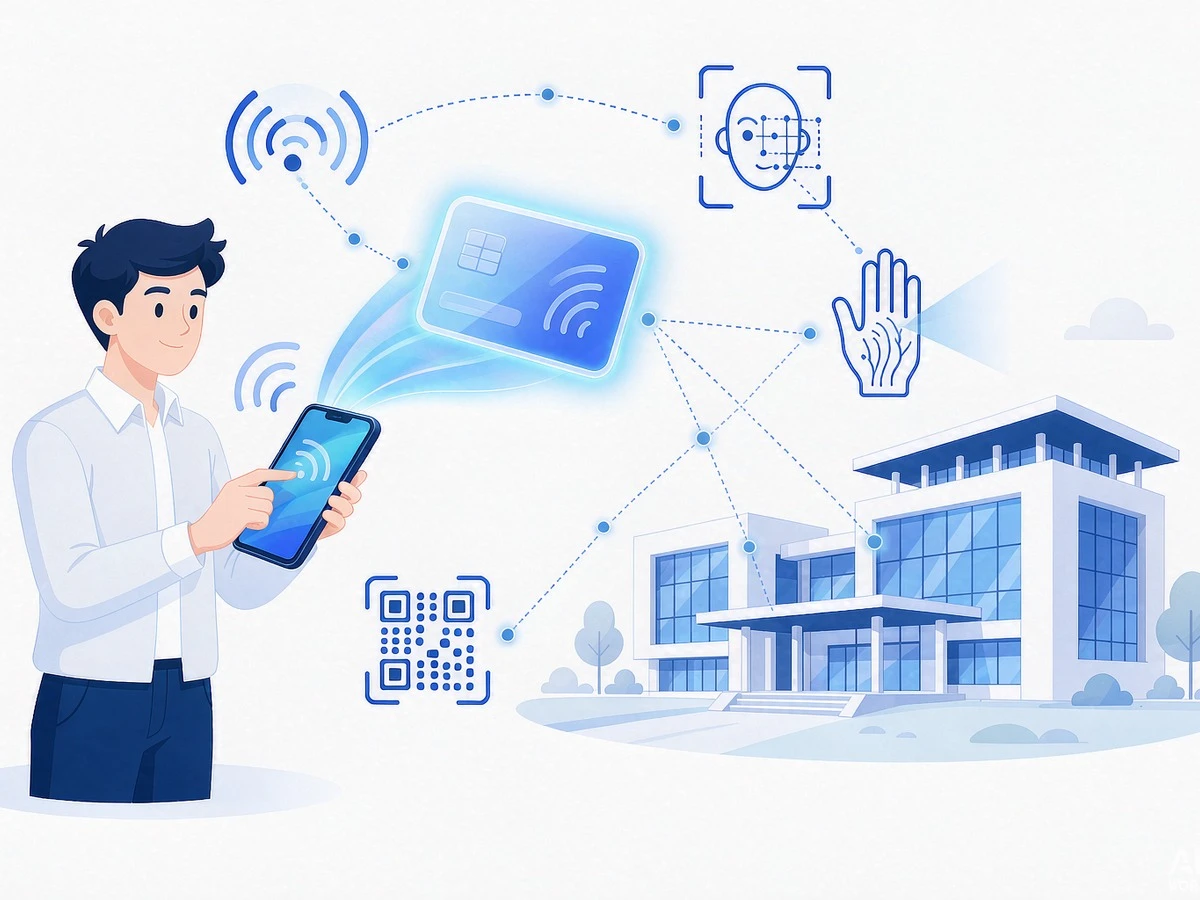
Over the past year, waves of campus card upgrades have followed one after another. Dalian University of Technology, together with China Construction Bank, launched the "Yulan Dragon Card," merging campus card, bank card, and transit card into one. Nanjing University of Information Science and Technology is tendering a "light-service application platform based on the One-Card," upgrading the card from a swipe tool into a campus service gateway. Capital University of Economics and Business opened bids on November 4 for a One-Card system upgrade that procures 69 consumption terminals plus multiple dedicated platform and application devices. From south to north, universities are rebuilding "card issuance" from scratch. What sets this round apart is multi-medium coexistence and phone-first design. The physical card is no longer dominant; palm-vein, QR code, face, phone NFC, and CPU cards coexist in one system. NFC compatibility across phone makers means students no longer worry about "my new phone won't work" — one system covers virtually all mainstream models. On the implementation side, multi-medium fusion is exactly the hard problem hardware must solve. Take ShenZhen nowgre IOT Technology Co., Ltd.'s NG 86R access controller: a single device supports QR code, IC card, CPU card, ID card, phone NFC, Bluetooth, and password recognition, with IPX65 water resistance and a 30,000-user capacity, and can connect to any brand of controller and third-party mini-programs. The palm-vein QR-code all-in-one terminal integrates palm vein, QR code, IC/CPU card, phone NFC, and touch password into one unit, supporting Ethernet and WIFI, remote upgrade, and third-party back-end integration — naturally fitting campus access and passage scenarios. On the payment side, the desktop face-payment terminal uses an RK3568 quad-core processor with Android 11, supports multi-modal payment via face, NFC, physical card, and QR code (optional), and has a built-in 3500mAh backup battery that keeps it working for 3–4 hours after a power outage. When "phone-as-card" becomes standard, campus card competition shifts from "who can issue cards" to "who can seamlessly absorb multiple media, multiple vendors, and multiple scenarios." NFC compatibility is only the starting point; the real barrier is underlying compatibility and platform capability.